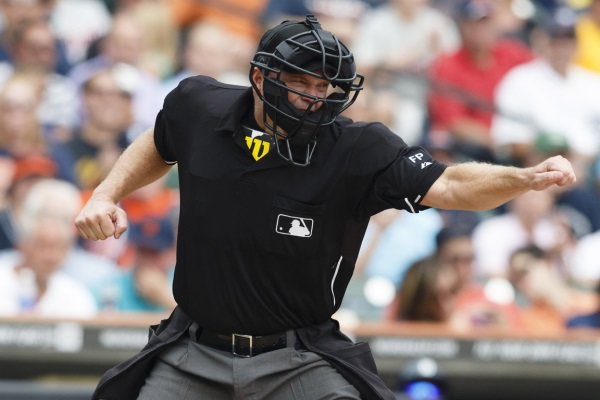
Behind the Plate: Unveiling the MLB Umpire Salary Landscape
When you settle in to watch an MLB game, your eyes are naturally drawn to the towering home runs, the dazzling defensive plays, or the tense pitcher-batter duels. Less often do we consider the figures in blue and black, the umpires, whose split-second decisions dictate the flow and outcome of every contest. Yet, these arbiters of America's pastime earn a significant living, with the average **Mlb Umpire Salary** for the 2022 season reaching an impressive $235,000. But what exactly goes into this substantial paycheck? It’s far more than just showing up for a game; it's a testament to immense pressure, relentless travel, and years of dedicated experience.
The Lucrative World of MLB Umpire Salaries: An Overview
The financial compensation for Major League Baseball umpires is a topic often met with surprise by the casual fan. While the base figures are indeed generous, they reflect a highly specialized and demanding profession.
Understanding the Average Paycheck
As of the 2022 season, an average MLB umpire took home a robust $235,000 annually. However, this isn't a flat rate across the board. The career trajectory for an umpire typically begins with a more modest monthly salary, often in the range of $2,000 to $2,500 during their initial, less experienced years. This compensation steadily escalates with experience, tenure, and performance. For seasoned veterans, those who have officiated thousands of games, it's not uncommon to earn upwards of $2,000 *per game*. This distinction between entry-level and senior officials highlights a significant growth path within the profession, rewarding longevity and mastery of the craft.
Beyond the Base Salary: Comprehensive Compensation Packages
An umpire's take-home pay extends well beyond their base salary. The nature of their work necessitates extensive travel and time away from home, which is offset by a comprehensive benefits package. Umpires routinely receive daily expense allowances designed to cover essentials such as transportation, meals, and hotel accommodations while on the road.
Furthermore, geographic location can play a subtle role in overall compensation; for instance, umpires based in high cost-of-living areas like San Francisco may see their total packages adjusted to reflect regional economic realities. For those officiating in specific capacities, such as Division 1 assignments, additional perks like housing allowances, mileage reimbursement, and a per-game fee (e.g., $400 per game) can significantly boost their overall earnings. It's also important to note that the annual **Mlb Umpire Salary** has consistently trended upwards over the years, reflecting both the league's growing revenue and the increasing recognition of the umpires' vital role. For a detailed breakdown of these components, explore our article on
Unpacking MLB Umpire Salaries: The 2022 Pay & Perks Explained.
Why MLB Umpires Command Such High Salaries: The Demands of the Job
The high financial reward for MLB umpires isn't simply handed out; it's earned through an exhaustive schedule and a job that combines intense scrutiny with immense pressure.
The Relentless Schedule and Intense Scrutiny
Consider the workload: an MLB umpire typically works up to 162 regular-season games, each potentially lasting several hours. This doesn't include spring training, playoffs, or the World Series. The schedule demands constant travel, often moving from city to city every few days, leading to significant time away from family and friends. Beyond the sheer volume, every single decision an umpire makes is under a microscope. With pitches routinely clocking in at 95+ mph and plays unfolding in fractions of a second, the level of sustained concentration required is extraordinary. A single missed call can instantly alter the course of a game, a season, or even a player's career, inviting the ire of players, managers, and millions of passionate fans. The mental and physical toll of this constant vigilance cannot be overstated.
The Specialized Skill of Calling Pitches
While all umpires face pressure, the home plate umpire shoulders a unique burden. Tasked with calling balls and strikes, they must make hundreds of split-second decisions per game—nearly 300 pitches are thrown on average. Distinguishing between a fastball on the black and a curveball just outside the zone requires an exceptional eye, deep understanding of the strike zone, and unwavering focus. Add to this the variable speeds, movements, and trajectories of different pitches, and the challenge becomes even more apparent. Making these critical calls accurately and consistently, under the immense pressure of a packed stadium and broadcast to millions, is a specialized skill that few possess and even fewer can master.
The Path to the Pros: Experience and Expertise
Becoming a Major League Baseball umpire is not a quick journey; it's a career built on years of dedication, starting long before reaching the big leagues.
A Long Road from Minor Leagues to Major League
The typical career route to becoming an MLB umpire is a rigorous, multi-year commitment. Aspiring umpires must first hone their skills and gain extensive experience in the minor leagues, officiating countless games at various levels. This foundational period is crucial for developing the judgment, rules knowledge, and composure necessary for the highest level of baseball. It's through this crucible of minor league ball that umpires accumulate the thousands of game experiences that prepare them for the MLB. Many veteran umpires have officiated over 4,000 games in their careers, with legendary figures like Bruce Froemming having worked more than 5,100 contests. This immense experience backlog underscores the depth of expertise required. To learn more about this challenging ascent, read our article on
From Minor League to Major Pay: The MLB Umpire Career Path.
The Elite Circle of Major League Officials
The MLB umpire crew represents an elite cadre of officials. Names like Joe West, Bruce Froemming, and Joe Brinkman are not just high earners but also icons of the profession, known for their longevity and consistency. These individuals exemplify the pinnacle of an umpire's career, demonstrating that sustained excellence and dedication are richly rewarded. Beyond their on-field prowess, MLB umpires must also continuously adapt to evolving game rules, new technologies (such as instant replay reviews), and the ever-increasing speed of the game. Their expertise isn't static; it's a dynamic skill set that demands constant refinement and learning throughout their careers.
The Value They Bring: Upholding Integrity in America's Pastime
Ultimately, the substantial **Mlb Umpire Salary** is a reflection of the indispensable value these individuals bring to Major League Baseball. They are the guardians of fair play, the enforcers of the rules, and the silent pillars upholding the integrity of the game. Without their unbiased judgment and unwavering commitment, the competitive balance and spirit of baseball would crumble. Every critical call they make directly impacts standings, playoff races, and ultimately, the dreams of players and fans alike. In a sport where every pitch and every play is scrutinized, the consistency, accuracy, and professionalism of MLB umpires are paramount to the game's legitimacy and its enduring appeal. Their compensation aligns with the profound responsibility they carry in maintaining the sanctity of America's beloved pastime.
Conclusion: More Than Just a Call
The discussion around the average **Mlb Umpire Salary** of $235,000 (and more for veterans) reveals a compensation package that is well-earned. It's a reflection of a career path demanding years of development, an intense work schedule involving constant travel, and the immense pressure of making split-second decisions that can influence the outcome of high-stakes games. These officials are not just "part of the game"; they are fundamental to its structure and fairness. The next time you see an umpire behind the plate or on the bases, remember the demanding journey and expertise that stands behind every single call they make.